
"Ethiopian coffee production"
6000 article(s) found

Ethiopian Coffee | Flavor characteristics and Classification of Ethiopian Yega Snow Coffee
For more information on coffee beans, please follow the coffee workshop (Wechat official account cafe_style) [product name]: Ethiopia Yirgacheffe, Ethiopia [quality rating]: WP Grade 2 [roasting degree]: recommended moderate roasting degree (Medium Roast or City Roast) [Grade]: excellent [granules]:
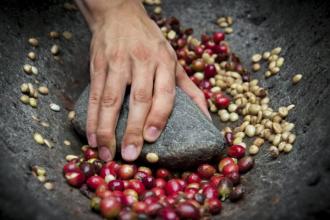
With unique natural conditions, Ethiopian coffee flavor, characteristics, taste and manor introduction
Ethiopia has unique natural conditions suitable for growing all imaginable varieties of coffee. As a upland crop, Ethiopian coffee beans are mainly grown in areas between 1100 and 2300 meters above sea level, roughly distributed in southern Ethiopia. Deep soil, well drained soil, weakly acidic soil, laterite and soil are soft and contain

Flavor description of Ethiopian Sidamo Lion King Coffee beans introduction to the taste of grinding scale varieties
Flavor description of Ethiopian Sidamo Lion King Coffee is Ethiopia's most important export cash crop and a major source of foreign exchange earnings. Ethiopia's coffee exports account for about 3% of the world market, making it the eighth largest coffee exporter in the world. Coffee exports increased steadily from 58000 tons in 1990 to 1995-1996.

Name and introduction of Ethiopian Coffee Starbucks, Ethiopian Coffee Cooperative
Yega Xuefei is a small town in Ethiopia, 1700-2100 meters above sea level. It is located in the northwest of Sidamo Province. It is one of the highest coffee producing areas in Ethiopia and is synonymous with Ethiopian boutique coffee. Strictly speaking, Yega Xuefei is a by-product area of Ethiopia's Sidamo producing area (Sidamo), which is independent because of its special flavor.

Introduction to the flavor and taste characteristics of the Ethiopian coffee manor in the unique coffee producing area
Although the Ethiopian Yirgacheffe coffee is petite, it is gentle and delicate and sweet. As the hometown of coffee, thousands of years of planting history and processing tradition in Ethiopia have created high-quality washed Arabica beans. Light baking has unique sweet aromas of lemon, flowers and honey, soft acidity and citrus flavors, fresh and bright on the palate. No.

Introduction of Ethiopian Coffee Flavor and Fine Coffee
Ethiopian coffee beans grow in close to the natural environment, after years of planting under the same growth conditions, Ethiopian coffee beans have gradually adapted to the environment here. More than 60% of coffee beans are grown in forests or semi-forests. Large-scale coffee-growing villages account for about 35% of the country's total coffee production. Many of these are used.

Introduction to the growing environment of Ethiopian coffee
Ethiopian coffee beans grow in close to the natural environment, after years of planting under the same growth conditions, Ethiopian coffee beans have gradually adapted to the environment here. More than 60% of coffee beans are grown in forests or semi-forests. Large-scale coffee-growing villages account for about 35% of the country's total coffee production. Many of these are used.

Introduction to Ethiopian Coffee from the producing area of Fine Coffee
Ethiopia is one of the major producers of Arabica coffee in Africa, producing the best Arabian coffee in the world. It is said that coffee was first discovered by shepherds in Essekafa, and the name of coffee evolved from Kafa, so Essex is still the hometown of coffee. The geographical environment of coffee production and processing is very suitable for coffee growth. Coffee is mainly cultivated.

Variety characteristics of fermented Natural Solar Ethiopian Coffee introduction to Fine Coffee Bean in Manor
Ethiopia has unique natural conditions suitable for growing all imaginable varieties of coffee. As a upland crop, Ethiopian coffee beans are mainly grown in areas between 1100 and 2300 meters above sea level, roughly distributed in southern Ethiopia. Deep soil, well drained soil, weakly acidic soil, laterite and soil are soft and contain
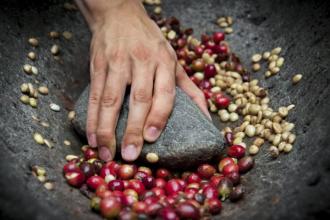
Taste characteristics of Solar fermented Natural Ethiopian Coffee introduction to Fine Coffee Bean in Manor
Ethiopia has unique natural conditions suitable for growing all imaginable varieties of coffee. As a upland crop, Ethiopian coffee beans are mainly grown in areas between 1100 and 2300 meters above sea level, roughly distributed in southern Ethiopia. Deep soil, well drained soil, weakly acidic soil, laterite and soil are soft and contain
Natural fermentation, mellow and sun-dried Ethiopian coffee flavor, characteristics, taste and manor introduction
Ethiopia has unique natural conditions suitable for growing all imaginable varieties of coffee. As a upland crop, Ethiopian coffee beans are mainly grown in areas between 1100 and 2300 meters above sea level, roughly distributed in southern Ethiopia. Deep soil, well drained soil, weakly acidic soil, laterite and soil are soft and contain

Ethiopian coffee beans Ethiopian coffee beans Ethiopian coffee beans
The birthplace of coffee-Ethiopia. The coffee tree originated in Ethiopia, where it was originally a wild plant, and the name coffee comes from the Ethiopian town of Kaffa. In fact, many coffee trees in Ethiopia are still wild plants, and the coffee grown on this coffee tree is full of particles and slightly fragrant. Humans may have been as early as the 9th century

Starbucks ETHIOPIA Ethiopian Coffee: A Blessing for the Birthplace of Coffee
Yejia Shefei is a small town in Ethiopia, 1700-2100 meters above sea level, located in the northwest of West Damo Province, near mountains and lakes. It is one of the highest coffee producing areas in Ethiopia and synonymous with Ethiopian fine coffee. Strictly speaking, Yejia Shefei is a subsidiary production area of Sidamo in Ethiopia, which is independent due to its special flavor.

Introduction of Ethiopian Coffee producing areas with unique Natural conditions
Ethiopian coffee beans grow in close to the natural environment, after years of planting under the same growth conditions, Ethiopian coffee beans have gradually adapted to the environment here. More than 60% of coffee beans are grown in forests or semi-forests. Large-scale coffee-growing villages account for about 35% of the country's total coffee production. Many of these are used.

Ethiopian coffee producing area Kafabita Manor, Sun Haloba, Kochel Water Dou ha
Professional coffee knowledge exchange more coffee bean information please pay attention to the coffee workshop (Wechat official account cafe_style) Ethiopia Mokahara production area, Sidamo coffee production area characteristics? Kafa Forest Bita Manor Sun Bean flavor and taste? Ethiopian coffee can be divided into several main producing areas: Haramoka (sun), Kafa virgin forest (sun), and west.

Ethiopian Coffee Rituals, Ethiopian Coffee Benefits
Pay close attention to coffee comment (Weixin Official Accounts vdailycom ) and find that a beautiful cafe opens its own small shop. Coffee is Ethiopia's most important cash crop and source of export income. Coffee production in the province of Caffa, which has the largest output, accounts for half of the country's coffee production. The coffee beans produced are large in size and mellow in flavor. The main thing is, when people in the world didn't know what coffee was,

Characteristics of natural fermented, mellow and insolated Ethiopian coffee varieties taste manor boutique coffee bean flavor
Ethiopia has unique natural conditions suitable for growing all imaginable varieties of coffee. As a upland crop, Ethiopian coffee beans are mainly grown in areas between 1100 and 2300 meters above sea level, roughly distributed in southern Ethiopia. Deep soil, well drained soil, weakly acidic soil, laterite and soil are soft and contain

Ethiopian Coffee Yega Sheffield Coffee beans Ethiopian Coffee Sidamo producing area
According to the above four different modes of production, Ethiopian coffee can be divided into nine major coffee producing areas, including five boutique coffee areas: Sidamo, Yegashefi, Harald, Lim and Lekampu. and four general commercial bean producing areas: Gemma, Irugbo, Tibby and Bekaa. The sun or water washing methods are used in each district, and different treatment methods also affect the flavor.

A brief introduction to the flavor and taste characteristics of the Ethiopian coffee farm in the unique coffee producing area
As the hometown of coffee, thousands of years of planting history and processing tradition in Ethiopia have created high-quality washed Arabica beans. Although the Ethiopian Yirgacheffe coffee is petite, it is gentle and delicate and sweet. Light baking has unique sweet aromas of lemon, flowers and honey, soft acidity and citrus flavors, fresh and bright on the palate. No.

Introduction to the flavor characteristics of Ethiopian coffee Gemma coffee
The Ethiopian coffee producing area is 1400-1800 meters above sea level, and Lim continues to the south to reach the Gemma producing area. This area is the main body of Kafa forest, specializing in commercial beans, the annual export volume of more than 60, 000-80, 000 tons, accounting for 1/3 of Egypt's output, is the largest producing area. Gemma is sun-dried beans, which is very common in China's market, also known as Ethiopian mocha, but the price is Biha.